Email marketing continues to be one of the most powerful tools for businesses to communicate with customers, nurture leads, and generate revenue. However, as digital marketing becomes more competitive and email providers implement stricter filtering systems, maintaining a clean and healthy email list has become more important than ever.
Many marketers focus heavily on growing their subscriber lists but overlook the importance of maintaining them. Over time, email lists naturally accumulate invalid addresses, inactive users, spam traps, and duplicate entries. Without proper maintenance, these issues can significantly harm email marketing performance.
This is where email list hygiene becomes essential. Proper list hygiene ensures that your email database remains accurate, active, and deliverable, helping businesses maximize the effectiveness of their email marketing campaigns.
What Is Email List Hygiene?
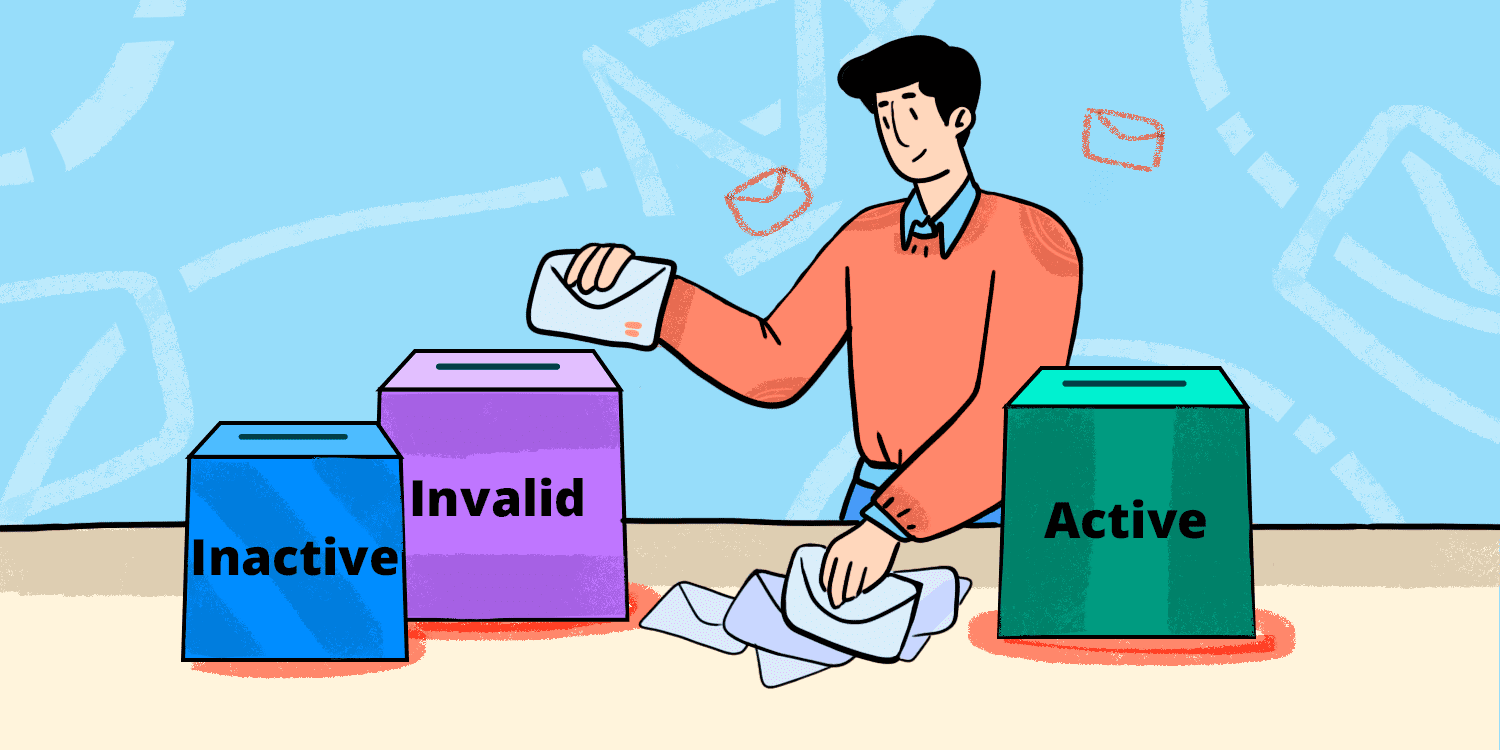
Email list hygiene refers to the ongoing process of cleaning, verifying, and maintaining email databases to ensure that only valid and engaged subscribers remain on the list.
This process involves several activities, including:
- Removing invalid email addresses
- Identifying inactive subscribers
- Eliminating duplicate contacts
- Detecting disposable email accounts
- Filtering spam traps
- Verifying email deliverability
The goal is to maintain a high-quality email list that contains subscribers who are genuinely interested in receiving communications.
Why Email Lists Naturally Degrade
Even if your email list begins with high-quality subscribers, it will naturally degrade over time. This phenomenon is often referred to as email list decay.
Studies show that email databases can degrade by 20–30% per year due to several factors.
People Change Jobs
Business email addresses often become invalid when individuals leave their companies.
Users Abandon Email Accounts
Many people create email addresses but stop using them after some time.
Typing Errors During Signup
Users frequently enter incorrect email addresses when filling out forms.
Temporary or Disposable Emails
Some users sign up with short-term email accounts that expire after a short period.
Spam Traps
Email providers sometimes convert inactive addresses into spam traps to detect senders who do not maintain proper list hygiene.
Without regular cleaning, these issues accumulate and negatively affect campaign performance.
The Impact of Poor Email List Hygiene
Failing to maintain a clean email list can have serious consequences for email marketing campaigns.
Higher Bounce Rates
Invalid email addresses cause emails to bounce back to the sender.
There are two main types of bounces:
- Hard bounces: permanent failures due to invalid addresses
- Soft bounces: temporary issues such as full inboxes or server errors
High bounce rates signal to email providers that a sender may be using outdated or purchased lists.
Damage to Sender Reputation
Email providers such as Gmail and Outlook evaluate senders based on multiple signals, including:
- Bounce rates
- Spam complaints
- Engagement levels
- List quality
If too many emails bounce or go unopened, the sender’s reputation may decline.
Once sender reputation is damaged, it becomes harder for emails to reach inboxes.
Lower Email Engagement
Inactive subscribers who never open emails can reduce overall engagement metrics.
Lower engagement rates can cause email providers to treat messages as less relevant, increasing the likelihood that future emails will be filtered into spam folders.
Increased Marketing Costs
Most email marketing platforms charge based on the number of contacts stored or the number of emails sent.
If a company continues to send campaigns to inactive or invalid addresses, it wastes marketing budget on recipients who will never engage.
Risk of Blacklisting
Sending emails to spam traps or large numbers of invalid addresses may result in the sender being placed on email blacklists.
Being blacklisted can prevent emails from being delivered entirely.
Recovering from a blacklist can be a long and difficult process.
Benefits of Proper Email List Hygiene
Maintaining a clean email list offers several major benefits that directly improve marketing performance.
Better Email Deliverability
Email deliverability refers to the ability of emails to reach recipients’ inboxes rather than being filtered into spam.
When email lists contain verified and engaged recipients, email providers view the sender as trustworthy.
This improves inbox placement rates and ensures that campaigns reach their intended audience.
Higher Engagement Rates
Clean lists contain users who are more likely to open and interact with emails.
Higher engagement improves important metrics such as:
- Open rates
- Click-through rates
- Conversion rates
These signals also help strengthen sender reputation.
More Accurate Marketing Data
Dirty email lists distort marketing analytics.
If large portions of a list are inactive or invalid, campaign performance metrics become misleading.
Cleaning email lists ensures that analytics reflect real subscriber behavior, allowing marketers to make better strategic decisions.
Improved Email Marketing ROI
Email marketing success ultimately comes down to return on investment.
When companies focus on reaching engaged subscribers instead of large inactive lists, campaigns become far more effective.
The basic concept of ROI can be expressed as:
ROI = (Revenue – Cost) / Cost
By reducing wasted sends and increasing engagement, clean email lists significantly improve marketing profitability.
Key Email List Hygiene Practices
Maintaining a healthy email database requires consistent effort and proper processes.
Here are several important practices marketers should follow.
Implement Email Validation
Email validation tools verify whether an address is real and capable of receiving emails.
Validation typically includes checks such as:
- Syntax verification
- Domain validation
- Mail server verification
- Disposable email detection
Regular validation helps identify problematic addresses before sending campaigns.
Use Real-Time Email Verification
Real-time validation verifies email addresses when users submit them through signup forms.
This prevents invalid addresses from entering the database in the first place.
Remove Inactive Subscribers
Subscribers who have not engaged with emails for long periods may no longer be interested.
Marketers should run re-engagement campaigns to confirm whether inactive users still want to receive emails.
If they remain inactive, removing them improves list quality.
Monitor Bounce Rates
Tracking bounce rates helps detect potential problems with email lists.
Sudden increases in bounce rates may indicate issues such as:
- outdated lists
- incorrect data collection
- technical sending problems
Eliminate Duplicate Contacts
Duplicate entries can skew analytics and lead to multiple emails being sent to the same user.
Removing duplicates improves database accuracy and user experience.
Best Practices for Long-Term List Health
To maintain long-term email marketing success, businesses should adopt proactive strategies for list management.
Use Double Opt-In
Double opt-in requires users to confirm their email addresses through a verification link before being added to the mailing list.
This ensures that the address is valid and owned by the subscriber.
Avoid Purchased Email Lists
Purchased email lists often contain outdated, invalid, or uninterested recipients.
Using these lists frequently leads to spam complaints and poor deliverability.
Segment Subscribers
Segmenting email lists based on user behavior allows marketers to target engaged audiences more effectively.
Segmentation improves engagement and campaign performance.
Conduct Regular List Audits
Periodic audits help identify inactive users, invalid addresses, and other list quality issues.
Regular maintenance prevents problems from accumulating over time.
In modern email marketing, list size alone is no longer the most important metric. Instead, list quality and subscriber engagement determine whether campaigns succeed.
Email providers are increasingly sophisticated in detecting poor mailing practices. Businesses that fail to maintain proper email list hygiene risk lower deliverability, damaged sender reputation, and wasted marketing budgets.
By regularly cleaning email lists, implementing email validation, and focusing on engaged subscribers, marketers can protect their sender reputation and significantly improve campaign performance.
In today’s competitive digital landscape, email list hygiene is not optional—it is a critical component of successful email marketing.